
Low-Energy Art While Traveling with Chronic Illness
- Mar 20
- 5 min read

After becoming suddenly ill with chronic illness last year, I was faced with many life changes. My body no longer tolerated the fast-paced, high-stress lifestyle I had been living - working 12-hour days and sometimes sleeping as little as three hours a night. Instead, my body forced me to prioritize slowing down and focusing on activities that were calming and enjoyable. Since stress was a major trigger for illness flare-ups, I quickly learned to balance responsibility with self-care and take time away from work to do things that gave love back to myself.
One of the things I realized after becoming ill was that I had always wanted to travel but never gave myself permission to do so. Despite making a decent income, I rarely set money aside for vacations or weekend trips. For the twelve years of my adult life before becoming chronically ill, I worked an average of 40–60 hours a week. I almost always had two or three jobs at a time and allowed myself a whopping three vacations in twelve years. I was so focused on building a self-sufficient career that I neglected to slow down and enjoy my own life.
After becoming chronically ill, this changed. My capacity for stress and my workload was drastically reduced, and I suddenly had more free time than I knew what to do with. I made the decision to use that time for activities that supported my mind and body. Along with rekindling past hobbies, I found myself in a position to travel more frequently.
Accommodating Chronic Illness During Travel





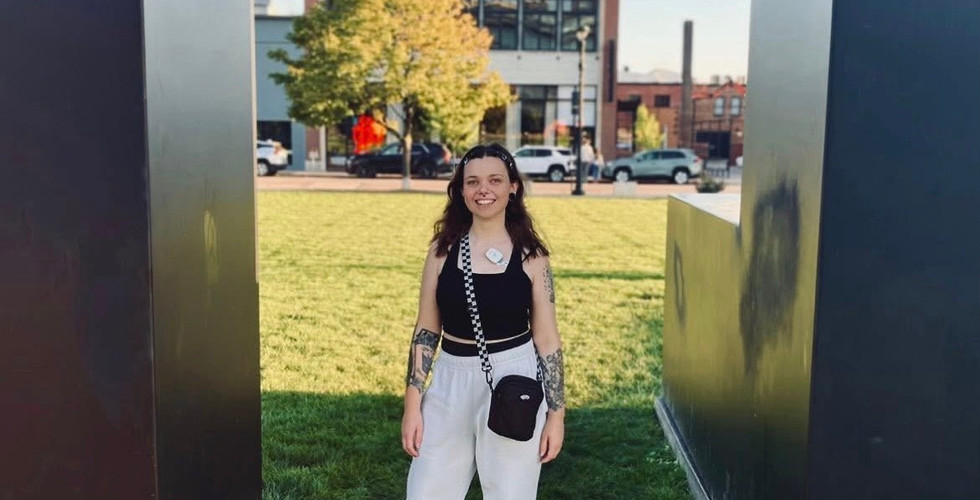
While traveling can be difficult for people with chronic illness, I take steps to accommodate my needs. I use mobility aids and prioritize accessible destinations, as well as travel only when I feel capable of doing so. But one of the most important things I do when I travel is schedule plenty of time for rest. It can be tempting to stay constantly on the go while exploring a new city, but I learned the hard way that it’s essential to rest between activities.
Resting, however, has never come easily to me. As someone with ADHD, my mind and body become restless when I sit still for too long. While I try to practice pure rest when I can, I also rely on passive forms of rest - activities that allow my body to recover while gently engaging my mind.
One of the most helpful passive activities I’ve found during travel is making art.
Creating art allows me to rest my body while doing something soothing that helps regulate my nervous system. The art I make while traveling isn’t focused on intense projects or finished pieces. Instead, I use low-energy art practices as a form of self-care and relaxation. Over time, I’ve discovered simple ways to create while traveling that support both my creativity and my health.
Why Art Helps While Traveling
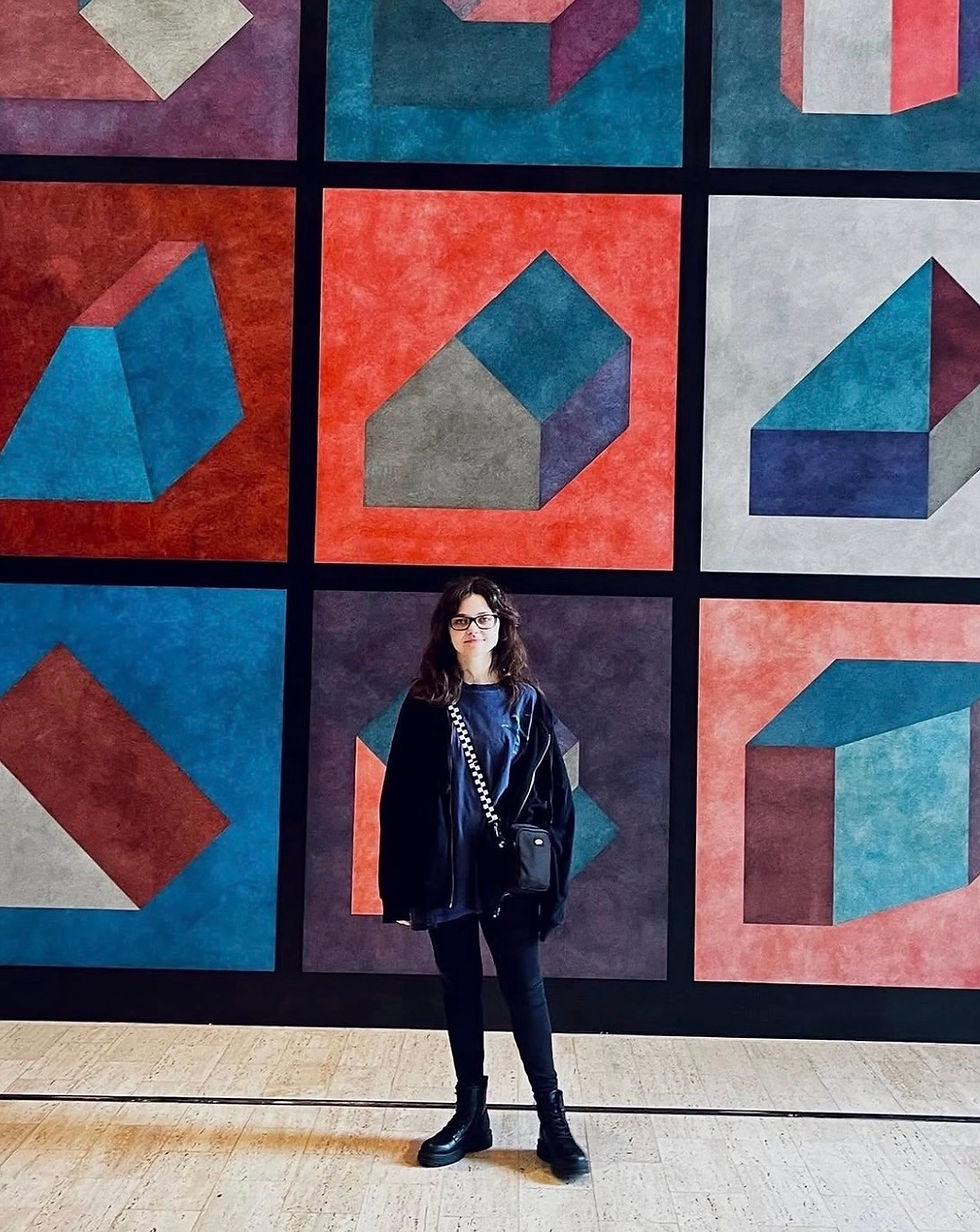
Travel can be exciting, but it can also be physically and emotionally overwhelming - especially for people living with chronic illness. New environments, unfamiliar routines, and increased sensory input can put a lot of strain on the nervous system.
Creating art during travel offers a gentle way to slow down and process those experiences. The repetitive motions involved in drawing, coloring, or painting can be calming and grounding. Even a few quiet minutes with a sketchbook can help regulate the nervous system and reduce sensory overload.
Art also provides a low-pressure way to record memories. Instead of documenting every moment, you can capture small impressions of your day - colors, shapes, moods, or feelings. For me, bringing a sketchbook while traveling also creates a small sense of routine and identity in environments that might otherwise feel unpredictable.
Building a Low-Energy Travel Art Kit

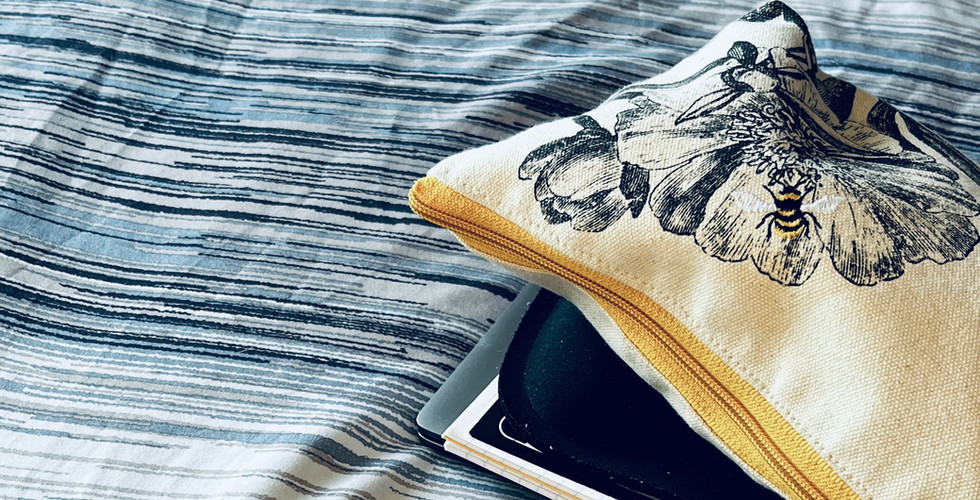


A simple and lightweight art kit makes it easier to create whenever the moment feels right - whether you’re resting in a hotel room, sitting in a park, or waiting at an airport.
Your kit doesn’t need to be elaborate. In fact, the fewer supplies you bring, the easier it can be to create without pressure.
Essentials
A small sketchbook or art journal
A few pens or pencils
A water brush
A small watercolor palette
A portable set of markers, colored pencils, or crayons
A digital drawing tablet and pen
Sensory-Friendly Options
For neurodivergent artists, the sensory experience of materials can make a big difference. You may prefer:
Soft pencils that glide smoothly
Smooth paper that isn’t scratchy
Quiet tools that don’t click or scrape
Low-light settings for digital materials
Chronic Illness Considerations
Look for supplies that are:
Lightweight and easy to carry
Comfortable to use while lying down or resting
Easy to use in small spaces like an airplane seat or bed tray
Often, the best art kit is simply the one that feels easy to reach for.
Gentle Art Prompts for Travel Days

If you’re unsure what to create, simple prompts can help remove the pressure of coming up with ideas. These are meant to be low-energy starting points focused on the feeling of creating rather than producing something specific.
You might try:
Filling a page with colors that match your current mood
Drawing repetitive lines or shapes until your mind relaxes
Turning loose scribbles into patterns
Layering colors and noticing how they interact
Making marks that reflect how your body feels today
Drawing slow, continuous lines without lifting your pen
Filling a page with tiny dots or shapes as a calming rhythm
Letting your hand move freely across the page without planning
The goal isn’t to create something impressive. It’s just to explore movement, color, and rhythm in a way that feels good in the moment.
Creating When Energy Is Limited
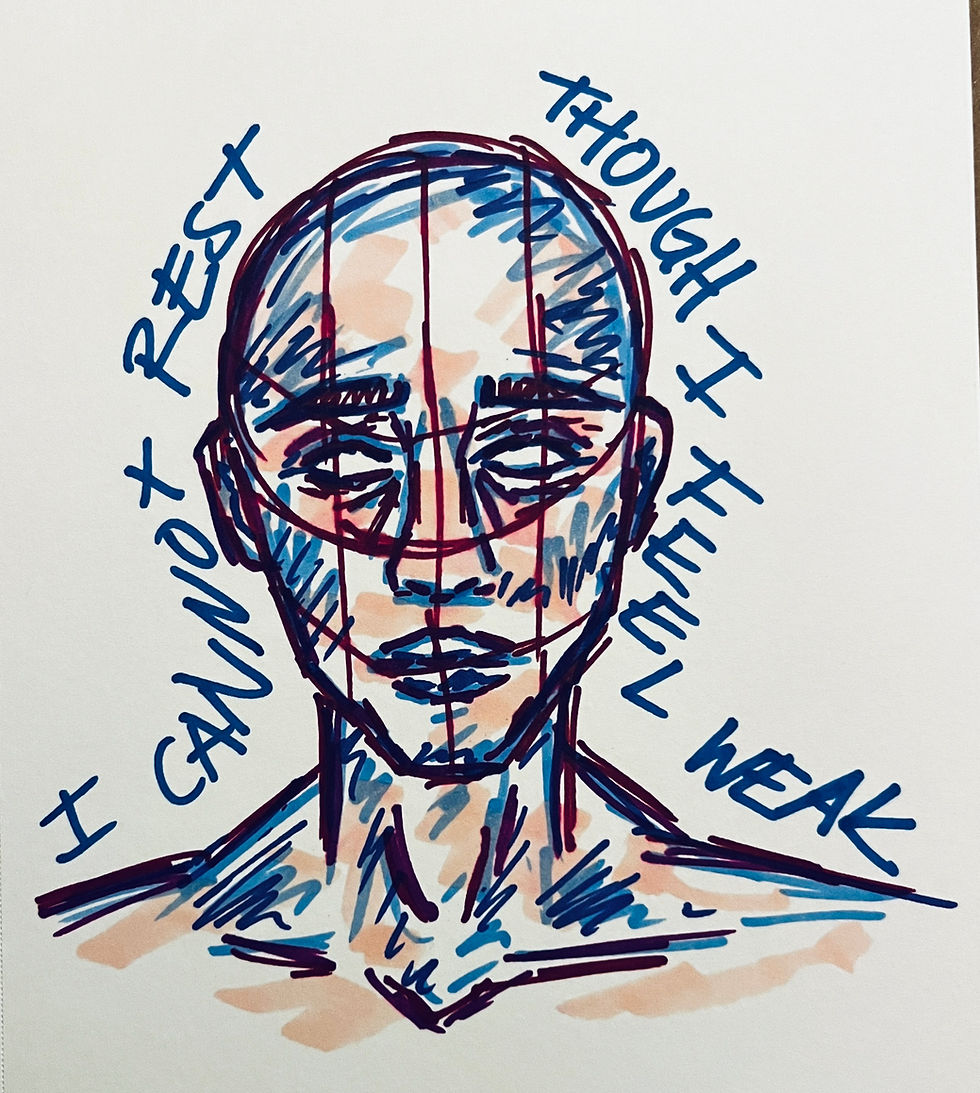
Energy levels can change quickly when living with chronic illness, especially during travel. On low-energy days, creativity may look different. That’s okay.
Art doesn’t need to be complex to be meaningful. Even a few minutes of creative expression can help regulate your nervous system and bring a sense of calm.
Some low-energy ideas include:
Two-minute sketches
One-line drawings
Simple color swatches
Tracing shapes or patterns
The goal isn’t productivity. It’s about allowing yourself to create in whatever way feels possible and good for your wellbeing.
Managing Sensory Overload Through Art
Busy travel environments can quickly become overwhelming. Airports, crowds, unfamiliar sounds, and bright lights can all contribute to sensory overload.
In these moments, quiet creative activities can help calm the nervous system. Repetitive mark-making, doodling patterns, color blocking, or slow shading can give your mind something gentle and predictable to focus on. Even a few minutes of guiding your hand across a page can make stressful situations feel more manageable.
Rest as Part of the Creative Process

Sometimes creativity simply means noticing your surroundings: the colors of a building, the light through a window, or the sounds of a new place. These quiet moments of observation often become inspiration later.
Listening to your body and honoring its signals is one of the most important ways to allow the art to work for you as an act of self-care, rather than an obligation or commitment. Being creative isn’t just about the act of making art. It’s also recognizing how every moment of our lives is a piece of art in itself. Staying aware and appreciative of our lives, our bodies, and ourselves forms compassion that is essential and paralleled in expressive artmaking.
Creating at Your Own Pace

Traveling with chronic illness can be unpredictable. Plans change, energy levels fluctuate, and sometimes the most important thing you can do is slow down and rest.
Bringing art into those quiet moments can turn them into something meaningful that feels good. A small sketch, a page of color, or a few written thoughts can become a gentle record of your experiences, emotions, and ability to take time to care for yourself and honor your mind and body during new experiences.
Creativity doesn’t have to be elaborate to matter. Sometimes the simplest moments, such as creating while resting in a hotel room or watching from a window, can become the most meaningful ones.
Art can be a quiet companion during travel, helping you process new experiences, regulate your nervous system, and care for yourself along the way.






Comments