My Story: Living with Progressive Chronic Illness
- Nov 28, 2025
- 6 min read

Preparing for Life with Chronic Illness
Seven years ago I found out I was at a very high risk for chronic illness and autoimmune disease. Since autoimmune disease was very prevalent in my family, disabling one parent and nearly killing the other, I was very apprehensive about it. I had myself tested for the genetic markers and I tested positive. This meant I held the genetic code that increased my possibility for developing these illnesses. This, the doctor noted, did not mean that I would certainly develop the illnesses. However, it did greatly increase my risk. Autoimmune diseases are complex, developing from a combination of genetics and lifestyle factors.
Knowing this, I changed my lifestyle. I spent the next seven years focusing completely on improving my health. I went from being sedentary and eating unhealthy, to becoming the healthiest version of myself. I worked out five to six times a week, strength training and emphasizing cardio. I learned powerlifting and gained the ability to deadlift nearly twice my bodyweight. A nearly lifelong vegetarian, I tried veganism for two years before I found it too limiting and focused instead on eating organic, natural foods and avoiding anything processed. I quit drinking alcohol and smoking cigarettes after twelve years of addiction.



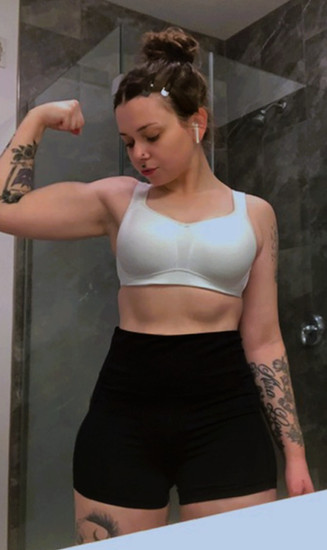
One could argue that none of this mattered in the end - I still got sick (but more on that later). My genetics were just too powerful, and the damage I had done to my body in the past took its toll anyway.
The Gift of Health Before Chronic Illness
That being said, the seven years I experienced being at my version of peak health was not for nothing. It postponed my symptoms and diagnosis for seven years. I got seven years of health I otherwise might not have had. I was able to experience things in that time that I wouldn't have been able to do otherwise - climbing a 13,000ft mountain, backpacking through the wilderness, embarking on long hikes in difficult conditions, driving a boat, going to the gym with friends, and fully recovering from an accident in which they said I may never walk again. I also was able to fully enjoy time with my daughter when she was a toddler - playing tag, going swimming, hiking, and climbing on playgrounds - activities that will be more difficult after the disease progresses. These things might seem small to an able-bodied person. But knowing that my health was at risk allowed me to fully appreciate them. Now, after being sick for nearly a year, these past experiences are invaluable to me.
In addition to having experiences I otherwise would have missed out on, I learned what it felt like to really be healthy. The past seven years have given me the opportunity to prioritize myself; to learn what it really looks like to care for myself. It’s given me the ability to recognize my own strength, and develop a stronger sense of resilience. I know what steps to take to improve my health now that I am sick, even if the expectations need some adjustment. I know how to shift my mindset from feeling like a victim of my life circumstances, to moving forward and creating a new modified version of health for myself.


When Chronic Illness Has No Cure
Living a healthy lifestyle with active chronic illness isn't a cure. Nor is it guaranteed to prevent illness. I was healthy, and I got sick anyway. You can do all the yoga in the world, eat as clean as possible, and take excellent care of your body - and still get sick. Sometimes, life just happens. And it sucks. You’re allowed to feel like it sucks. But when you get stuck there, in the mindset of “my life is horrible and will never change”, you are limiting yourself more than your body is limiting you.
Even when it seems like you're fighting an uphill battle you can't possibly win, every effort counts. Don't stop trying to do better for yourself. Make lifestyle changes, find medical treatment, and advocate for yourself as much as possible. Remember that no matter how sick you are, no matter the extent of your illness or disability, you are worthy of being here. You are worthy of fair treatment; you are worthy of a joyful life. Find that however you can. Because your health isn’t just your physical body - it’s your mind, too. They work together in tandem, and when you make the effort to properly care for one, the other responds to some degree.
Resilience and Positivity Through Chronic Illness
During my diagnostic process, I met dozens of people dealing with chronic illness. One thing I noticed they all have in common is this - no matter how frustrated, depressed, or sick they are, they keep trying. They don't give up, even when they want to. So many of them develop positive attitudes toward life and learn to live within their own limitations without self-judgement. I admire this and aspire to do the same.
That's not to say that feelings of despondence and depression aren't common or normal in people with chronic illness. It's incredibly difficult to live a life that is limiting comparatively to others; comparatively to your past self. It's hard to learn a new way of living halfway through your life and give up previous expectations of yourself. It feels impossible to develop new motivation when you are stuck in a body that doesn’t cooperate. For some people, this means changing their lives completely. For others, it means slightly modifying their current lifestyle. There is no “correct” way to act as a person with chronic illness or disability, since the illnesses and symptoms widely vary. Only you can determine what is right for you.
I’m the person who used to “push through” everything. Mental illness, physical illness, trauma…you name it. I was so engrossed in toxic positivity at one point that I was unaware of my own ableism. Now I am gaining a new perspective. However, that being said, I still refuse to take chronic illness lying down. Like my chronically ill friends, I refuse to let my new limitations change who I am. While I may be using mobility devices or canceling plans I would normally jump at, I am not going to let depression and isolation consume me just because my body is being difficult. I will, instead, honor my body’s limitations, rest as needed, and make accommodations.


Learning to Live With Chronic Illness
Getting diagnosed with a chronic illness can feel like your life is over. But, instead of viewing it this way, we can choose to view it objectively without judgement. Our lives don't have to become worse off in the face of chronic illness - they just have to become different. Whether this means finding new ways to do the things you love or developing new passions altogether, it isn't a death sentence*. Change is uncomfortable - it feels impossible for many. But with an open-minded approach and the ability to be objective toward life's happenings, we become more resilient and able to take on whatever life throws at us.
But I won’t lie to you - it’s definitely hard. I spent the past three months in a severe depression after unsuccessful treatment and unsuccessful surgery. I've spent a year chasing down answers and treatment, and still have found none. I have experienced the trauma and frustration that comes with chronic illness. I’m certainly no longer at peak health - my muscles are wasting away, I’m forced to eat whatever I can afford after medical bills, and I’ve handled this new stress in less-than-ideal ways. I’ve wanted to give up more times than I can count. But, I don't.
Acceptance & Hope Through Chronic Illness
I don't give up because I’ve felt what it is like to be healthy. I have experienced a joyful life amidst limitations with my mental health. I have overcome worse than this in the past, and likely will again in the future. As easy as it is to get stuck in one place, we have to remember that we still have a degree of control. While illness may require a lot of adjustment, we decide whether we let it consume us.
Whether or not I am able to achieve the same sense of health I had before illness, I know it is possible to feel some degree of wellness again. The flare will eventually end, and when it does I will be more prepared to prevent and manage it next time. When my body gets worse due to the progressive nature of my illness, I am prepared to do what I can to fight back.
*Although some chronic illnesses are life-threatening and may ultimately end in death, we do not need to live in fear of it. Each day we are alive counts for something, and we are worthy of being here. I heard a quote recently that went something like, “in the end, everyone is disabled”. I thought that was very profound because it is true - we can try to postpone our bodies breaking down; we can try to escape our eventual death. But it will come for all of us someday. Our bodies will be our final betrayal, so to speak. Therefore, it is important that we spend our time while we are here appreciating our lives for what they are, and accepting our bodies in order to enjoy it to the best of our ability.
Disclaimer: All content reflects the author’s opinions and personal experiences. The author is not a medical or mental health professional. Nothing shared is intended to replace or negate advice from licensed professionals.


Comments